

What we do
How we work
Success stories
Who we are
Insights & news
Careers
Contact us
insights & news > Insights
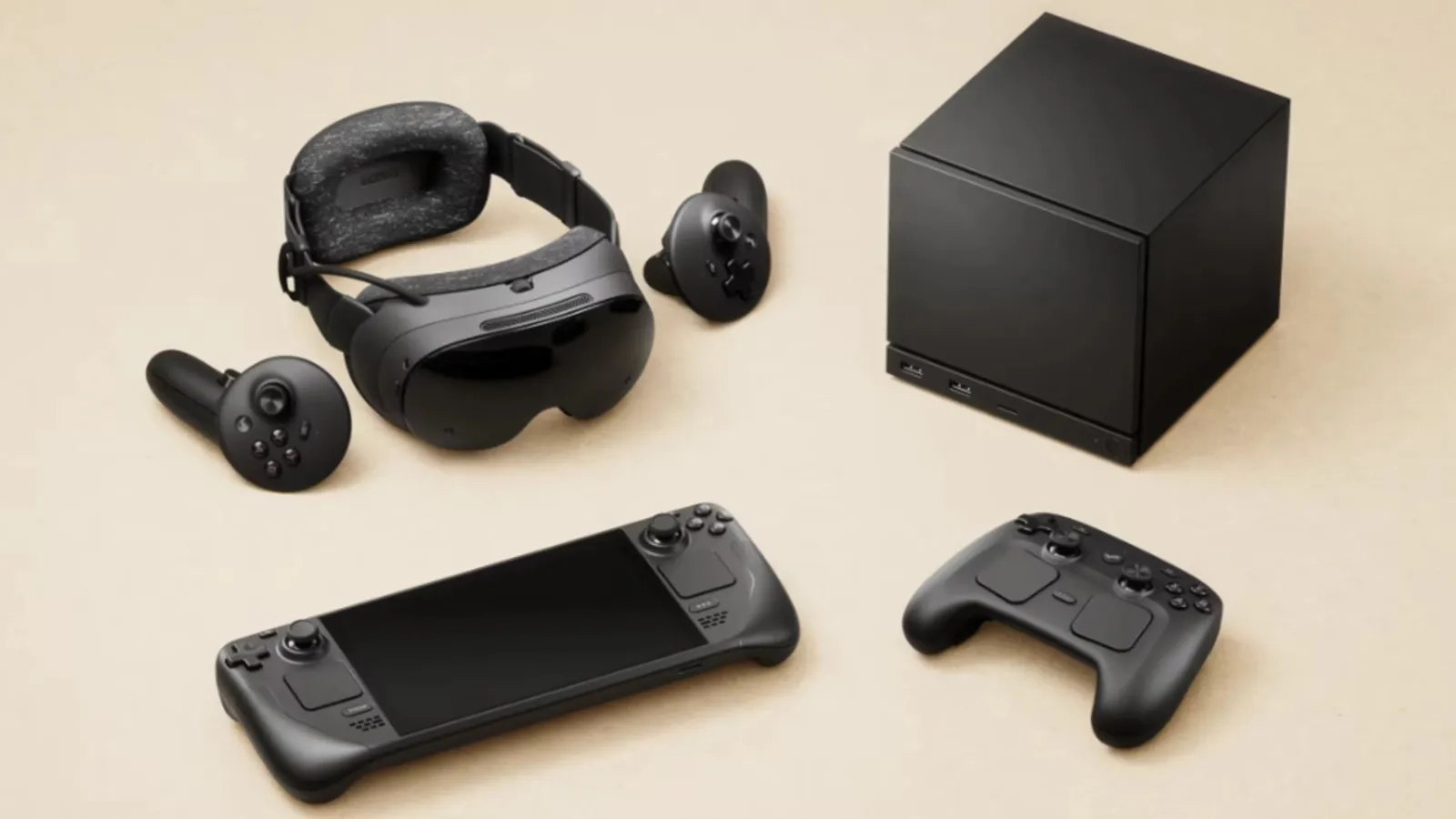
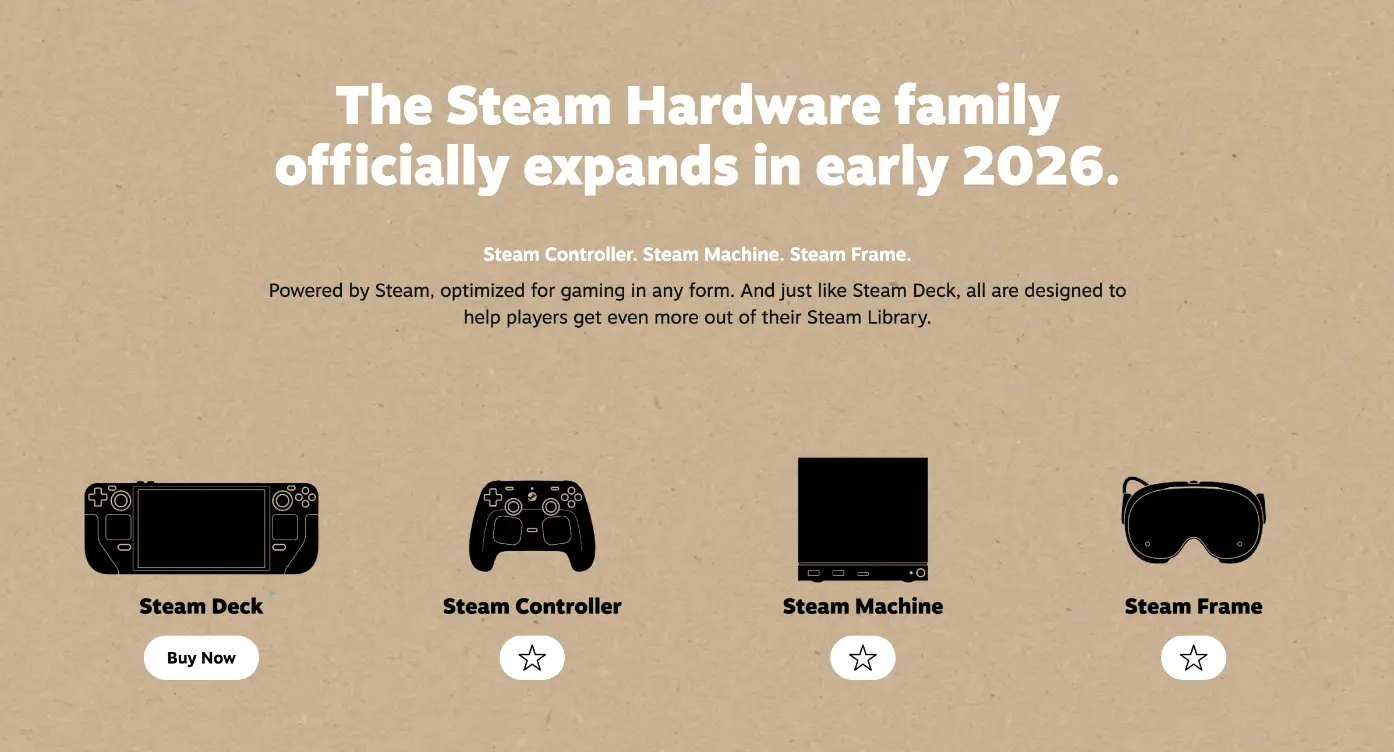
Valve just executed its biggest hardware push into the living room since the original, ill-fated Steam Machines of a decade ago. In a single announcement, the company revealed a revamped Steam Controller, a new Steam Frame VR headset, and the centerpiece: a modernized Steam Machine compact PC, all scheduled to launch in early 2026.
If you run a streaming service or build streaming platforms, you might be asking, “Why should I care?”
On the surface, this looks like gaming news — new accessories and a console-sized PC designed for the couch — and therefore peripheral to the streaming industry. But step back and the larger vision comes into focus: more than just selling hardware to gamers, Valve is making a credible attempt to establish a radically open, PC-based platform in the living room.
We have reasons to believe that a new living-room operating system could form right alongside your current smart-TV and console footprint with this launch. Whether this becomes a breakout third ecosystem or remains a premium niche will depend on many factors, but one of the clearest swing factors is simple: will premium streaming experiences exist natively on SteamOS when these devices land?
If SteamOS makes the jump from a “gaming-first OS” to a mainstream TV OS, the services that first catch on and show up early will help shape user habits, expectations, and defaults from day one.
The Steam Machine is a compact living-room PC designed to look and feel like a standard game console. It’s purpose-built for the couch, prioritizing a controller-first user experience (UX) while retaining the fundamental openness of a PC.
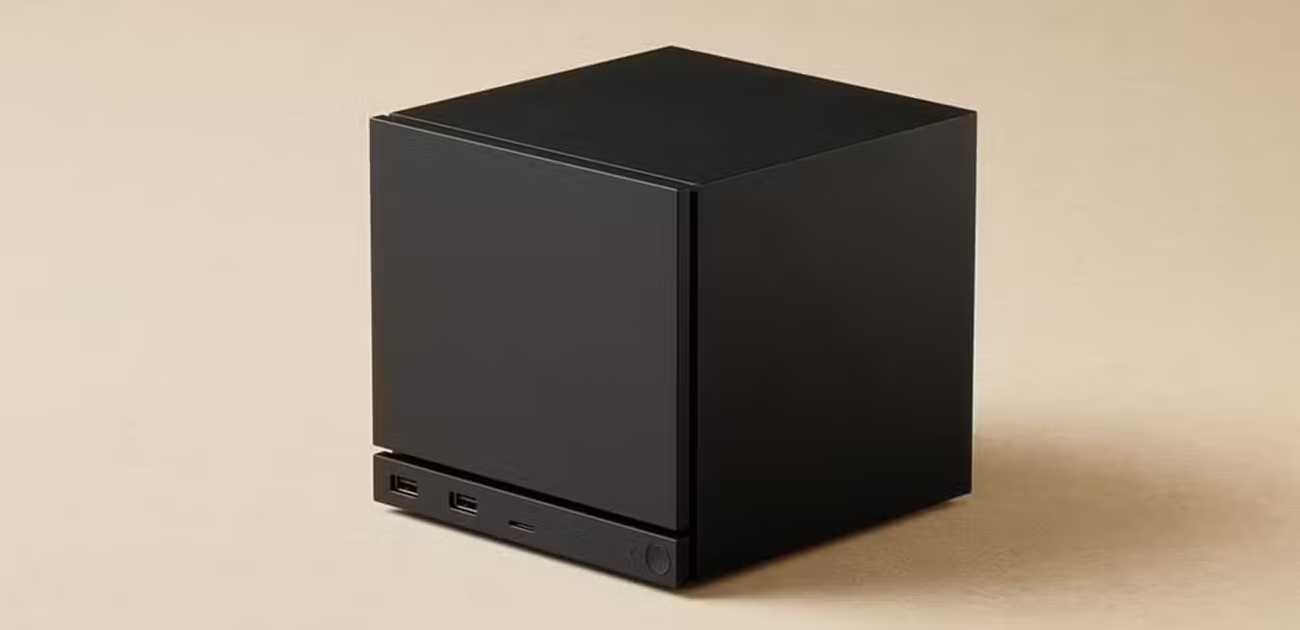
It runs SteamOS, Valve's custom, gaming-focused operating system based on Arch Linux. This OS is streamlined to boot directly into Gaming Mode—the sleek, controller-friendly interface familiar to Steam Deck users—with a full Linux desktop mode available if needed. The new machine features an AMD Zen 4/RDNA3 semi-custom solution designed to support 4K gaming at 60 FPS using upscaling technology like FSR, targeting performance comparable to current generation consoles. It is specifically positioned as a plug-and-play, high-end, big screen device.
This approach is a direct contrast to the 2013–2015 generation of Steam Machines. The originals were a confusing medley of third-party boxes running an immature SteamOS. This time, Valve is leading with proprietary hardware, a clear performance target, and a fully matured operating system. Valve is trying again—but with a radically different, and much more receptive, market behind it.
If the Steam Machine lands successfully, it could solidify SteamOS as a legitimate and essential third software platform in the living room, sitting alongside Console OSes (PlayStation/Xbox) and Smart-TV OSes (Tizen, webOS, Android TV). For that scenario to come true, several industry forces have to align.
As a matter of fact, from what we can see, many of them already have:
The ultimate success of the "all-in-one living-room hub" pitch hinges on its ability to do more than just game. This is where the tension lies today: the platform is forming, but the media ecosystem isn’t there yet.
Currently, major premium streamers like Netflix, Disney+, and Max do not offer native applications for Linux-based desktop systems like SteamOS. This is primarily due to strict DRM (Digital Rights Management) requirements, particularly the need for specialized Widevine security integration, which these providers often reserve for closed systems like Windows, macOS, or dedicated smart TV hardware.
If SteamOS TV PCs achieve mainstream scale, users will demand a frictionless experience. Without native apps, users are forced to rely on browser playback, which severely caps video quality (often to 720p or 1080p, sometimes with workarounds) and prevents 4K streaming, HDR color, and comfortable, dedicated playback control using a handheld controller. This lack of smooth, high-quality media access is a major friction point.
If Valve succeeds in scaling its device footprint through this new hardware push, streaming services will find themselves playing catch-up, and they will wish they were earlier. The fight for the central living-room HDMI port requires both games and media.
At the moment, we can’t claim anything with certainty. The 2026 Steam Machine could become a lasting movement, or end up being a smart, short-lived experiment. The difference will show up in the signals Valve and the ecosystem send over the next year - which are what industry analysts (and we at Accedo) will be watching closely as we roll into the new year. Among those are:
If SteamOS really does evolve from a gaming-first environment into a broader living-room platform, streaming services will face the same question they’ve faced with every OS transition before: do we wait and react, or get there early and help shape the experience?
Our job at Accedo is to stay close to these signals to understand what’s emerging, what constraints (like DRM and playback standards) need solving, and what new surfaces might matter for streaming in the next wave.
We’ll keep tabs on how the ecosystem forms after the launch and come back with a follow-up once the hardware ships and real adoption data starts to tell us which direction this platform is truly heading.
tags
Share this article


Let's collaborate to define what is next for your OTT streaming service.
Contact us


